
A child who starts sneezing every morning, rubs their eyes after playing outdoors or develops a runny nose during a particular season may have seasonal allergies.
These symptoms can resemble a common cold, so parents may not immediately recognise the pattern. Seasonal allergic rhinitis, often called hay fever, occurs when the immune system reacts to substances such as pollen or mould spores.
Symptoms can affect sleep, concentration and outdoor activities, but a suitable plan can make them easier to manage.
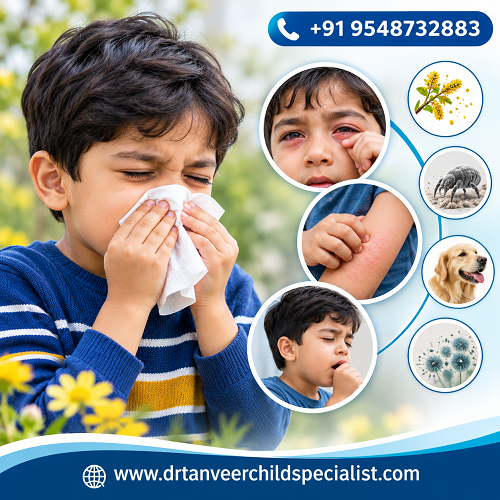
How seasonal allergies usually appear?
Common symptoms include repeated sneezing, a clear runny nose, nasal blockage, itching in the nose or throat, and watery or itchy eyes. Some children develop an itchy palate or cough caused by mucus draining down the back of the throat.
Dark circles under the eyes and frequent nose rubbing may also occur. Fever and significant body aches are less typical of uncomplicated allergies.
A useful clue is repetition. Symptoms may return around the same season, after outdoor play, during windy days or when windows are open. Allergies can also continue for longer periods when indoor triggers such as dust mites or mould are involved.
A child can have allergies and an infection at the same time, so the pattern is helpful but not conclusive.
What may trigger a seasonal flare?
Pollen from grasses, weeds and trees is a common outdoor trigger. Mould spores can increase in damp environments, while dust and pollution may irritate already sensitive airways.
The main trigger differs by location, weather and season. Keeping a simple symptom diary can help identify whether symptoms follow outdoor exposure, cleaning, time spent in a garden or a particular weather pattern.
Allergy or cold? Look at the pattern
A cold often develops over several days and usually improves within about a week or two. It may include sore throat, fever or general tiredness. Allergies are more likely to cause itching, repeated sneezing and watery eyes, and they can persist as long as the child is exposed to the trigger.
Nasal discharge alone cannot reliably distinguish the two.
Practical ways to reduce exposure
Parents do not need to keep children indoors all season. Small adjustments can reduce contact with triggers while allowing normal play and activity.
Check local pollen or air-quality information when available and plan outdoor activity at times when symptoms are usually milder.
After outdoor play, encourage handwashing and changing clothes. A bath or face wash may remove pollen from skin and hair.
Keep windows closed during high-pollen periods if this is practical, and use clean air-conditioning filters where available.
Dry laundry indoors during heavy pollen periods so pollen does not collect on bedding and clothes.
Reduce indoor dust with regular damp cleaning and wash bedding as advised. Address dampness and visible mould safely.
Keep pets out of the child’s sleeping area if animal dander appears to worsen symptoms.
These steps can help, but they do not remove every allergen. Avoid strong fragrances, smoke and incense around a child whose nose or eyes are already irritated.
Medicines should match the child’s age and symptoms
A clinician may recommend a child-appropriate antihistamine, saline nasal spray or a corticosteroid nasal spray, depending on age, symptom pattern and medical history. Nasal sprays need correct technique and regular use to work well. Some medicines can cause drowsiness or other side effects.
Decongestants are not suitable for every child and can cause problems when used incorrectly or for too long. Do not give adult allergy tablets, combine products with overlapping ingredients or use a medicine dose based on guesswork.
If symptoms are persistent, severe or interfere with sleep and school, ask whether further assessment or allergy testing is useful. Testing is not necessary for every child. It is most helpful when the result could change the management plan.
When to seek medical advice?
Arrange a paediatric review if symptoms recur, disrupt sleep, affect school attendance, cause persistent mouth breathing or do not improve with sensible exposure control. Wheezing, repeated night cough or breathlessness deserves assessment because allergic rhinitis can coexist with asthma.
Sudden swelling of the lips or tongue, throat tightness or difficulty breathing requires emergency care.
Help children understand their own triggers
Older children can learn to notice early symptoms and tell an adult when they need to wash their face, use a prescribed spray or take a break indoors. Keep medicines in their original packaging and follow the clinician’s written instructions. Inform school staff about the child’s known triggers and prescribed plan, while avoiding unnecessary restrictions on physical activity.
Seasonal allergies are manageable, but treatment should be individual. Parents in Roorkee can discuss recurring sneezing, nasal blockage, itchy eyes or cough with a paediatrician. Dr. Tanveer Ahmad provides child healthcare consultations, including assessment of common childhood illnesses and allergies. For background on paediatric services and routine child health checkups, visit the clinic website.
Keep a note of the days when symptoms are strongest and what the child was doing beforehand. This can help separate a seasonal pattern from irritation caused by smoke, dust or a viral infection.
If the child has a prescribed allergy medicine, share the plan with caregivers and school staff so that doses are not repeated accidentally. Review the plan if symptoms change, the medicine causes side effects or the child begins to wheeze.
For related information, read child health checkups and information about the paediatrician.
Parents should avoid treating every episode of cough as an allergy. A cough may have several causes, and symptoms such as fever, chest discomfort, wheezing or breathing difficulty need a proper assessment. If the child’s symptoms change from the usual seasonal pattern, arrange a review instead of simply increasing allergy medicines.
For additional clinic information, see parent counselling information.