
Parenting is not just about care—it’s about making informed decisions at every stage of your child’s growth. From feeding habits to emotional development and behavioral patterns, every aspect is interconnected. Many parents struggle to understand what is normal and what needs attention, especially in the early years.
Parent counselling helps bridge this gap by offering structured parenting guidance, enabling families to support their child’s physical, mental, and emotional development effectively. Since every child is unique, understanding their needs requires patience, observation, and the right expert support.
Why Parent Counselling is Important for Better Parenting Decisions?
Raising a child comes with constant questions and challenges. Parents often face confusion around nutrition, behavior, and developmental milestones. Without proper guidance, small concerns can turn into long-term issues.
Professional parenting counseling services help in:
- Understanding age-appropriate behavior
- Managing feeding and nutrition concerns
- Identifying early developmental delays
- Improving parent-child communication
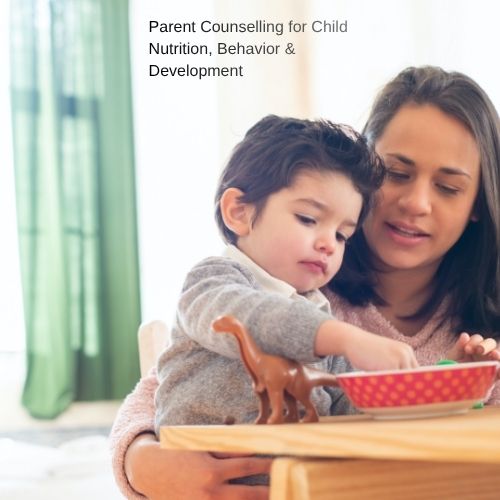
With expert parenting support, parents gain clarity, confidence, and practical solutions that are tailored to their child’s needs.
Understanding Child Development Stages and Milestones
Every child grows through different developmental stages, and each stage comes with its own behavioral and nutritional needs.
Infant Stage (0–2 Years) – Growth, Nutrition & Emotional Bonding
The first two years of life are critical for brain development and emotional bonding. Proper infant and child nutrition plays a vital role in building immunity and supporting growth.
Common aspects include:
- Crying as a form of communication
- Reflex actions like grasping and sucking
- Development of trust through caregiving
A nurturing environment with proper feeding and emotional security helps infants develop strong cognitive and emotional foundations.
Early Childhood (2–6 Years) – Behavior & Learning Patterns
This stage is marked by rapid learning and emotional expression. Children begin to explore their environment and often display behaviors that parents find challenging.
Common behaviors include:
- Temper tantrums
- Imitation of parents
- Stubbornness and emotional outbursts
Using positive parenting techniques and consistent communication helps in managing these behaviors effectively.
School Age (6–12 Years) – Social & Cognitive Development
During this stage, children develop social skills, attention span, and academic abilities.
Parents may notice:
- Fear of failure or low confidence
- Sibling rivalry
- Difficulty focusing
Encouragement, structured routines, and emotional support are essential to build confidence and stability.
Adolescence (12–18 Years) – Emotional & Behavioral Changes
Teenage years bring hormonal changes that impact behavior and emotions.
Common concerns include:
- Mood swings
- Identity confusion
- Peer pressure
Open communication and emotional support play a key role in helping teenagers navigate this phase.
Child Nutrition Counseling for Healthy Growth
Nutrition is the foundation of a child’s overall development. Poor eating habits can affect growth, immunity, and even behavior.
Importance of Balanced Diet for Children
A balanced diet includes:
- Proteins for growth
- Vitamins and minerals for immunity
- Healthy fats for brain development
Proper child nutrition counseling ensures children receive the right nutrients at the right stage.
Common Nutrition Problems in Children
Parents often face challenges like:
- Picky eating habits
- Lack of appetite
- Overdependence on junk food
These issues can impact long-term health if not addressed early.
Practical Nutrition Tips for Parents
- Maintain a fixed meal routine
- Introduce a variety of foods
- Avoid force feeding
- Encourage healthy eating habits
Simple changes at home can significantly improve a child’s nutritional intake.
Understanding and Managing Child Behavior
Children express their needs and emotions through behavior. Understanding this is key to effective parenting.
Why Children Behave the Way They Do
Behavior is often a form of communication. Hunger, tiredness, or emotional discomfort can lead to behavioral changes.
Common Behavioral Issues in Children
- Temper tantrums
- Aggression
- Defiance
- Attention-seeking behavior
Effective Behavior Management Techniques
- Positive reinforcement
- Setting clear boundaries
- Consistent discipline
- Encouraging open communication
Using child behavior management strategies helps build trust and reduces conflict.
Parenting Styles and Their Impact on Child Development
Parenting style plays a significant role in shaping a child’s personality.
Authoritarian Parenting
Strict rules with little flexibility can lead to fear and low confidence.
Permissive Parenting
Lack of discipline may result in poor self-control.
Democratic (Balanced) Parenting
A balanced approach encourages independence while maintaining discipline, leading to better emotional and social development.
When Should Parents Seek Professional Counseling?
Some situations require expert intervention. Parents should consider pediatric counseling services if they notice:
- Delayed developmental milestones
- Severe behavioral issues
- Persistent eating problems
- Emotional withdrawal or aggression
Early guidance can prevent long-term complications.
Benefits of Parent Counseling for Child Growth and Development
Parent counselling offers:
- Better understanding of child needs
- Improved behavior management
- Stronger parent-child relationships
- Early identification of health or developmental concerns
It empowers parents to make confident and informed decisions.
Tips for Better Parenting Decisions at Home
- Observe your child’s behavior closely
- Maintain a healthy routine
- Communicate openly
- Avoid harsh punishment
- Encourage independence and self-expression
Small, consistent efforts create a strong foundation for lifelong development.
FAQs – Parent Counseling, Child Behavior & Nutrition
What is parent counseling? It is a professional guidance process that helps parents understand and manage their child’s nutrition, behavior, and development.
How can I improve my child’s behavior? Use positive reinforcement, maintain consistency, and understand the root cause of behavior.
What is a balanced diet for children? A diet that includes proteins, carbohydrates, healthy fats, vitamins, and minerals in appropriate proportions.
When should I worry about child development delay? If your child is not achieving age-appropriate milestones, it is advisable to consult a specialist.
How do I handle a stubborn child? Stay calm, set clear boundaries, and use consistent discipline techniques.
About Dr Hera Skin Hair & Children Hospital, Roorkee
Dr Hera Skin Hair & Children Hospital in Roorkee, Uttarakhand offers comprehensive care focused on child health and development.
Dr. Tanveer Ahmad is a dedicated pediatrician practicing since 2018, committed to providing compassionate and comprehensive healthcare for children—from newborns to adolescents. His approach focuses on preventive care, early diagnosis, and holistic child development.
He completed his MBBS from Government Medical College Haldwani in 2015 and pursued MD in Pediatrics from Aligarh Muslim University in 2018. With strong clinical expertise, he is skilled in diagnosing and managing a wide range of pediatric conditions with precision and care.
The hospital provides support for:
- Child nutrition counseling
- Behavior management guidance
- Developmental assessment and pediatric care
Parents seeking reliable parent counseling in Roorkee and expert pediatric guidance can benefit from a structured and personalized approach focused on the overall well-being of children.
Building a Strong Foundation for Your Child’s Future
Parenting is a continuous learning process that requires patience, awareness, and the right guidance.
Understanding your child’s nutrition, behavior, and developmental needs helps in creating a supportive and nurturing environment.
Instead of reacting to problems, proactive parenting with expert advice ensures healthy growth and long-term well-being.