
Mealtimes can become stressful when a child refuses vegetables, avoids new foods, or asks for the same meal every day. Parents may worry about inadequate nutrition, poor weight gain, and missed nutrients. However, picky eating is common during childhood. A calm feeding routine and a balanced approach can help children become more comfortable with different foods.
Effective Nutrition Tips for Picky Eaters focus on food variety, repeated exposure, and positive mealtime experiences. The goal is not to make a child finish every bite. It is to build healthy eating habits while supporting normal growth and development.
Why Do Children Become Picky Eaters?
Children may reject foods for several reasons. Their appetite can change as their growth rate changes. Some children dislike particular textures, smells, or flavours. Others prefer familiar meals because new foods feel unfamiliar.
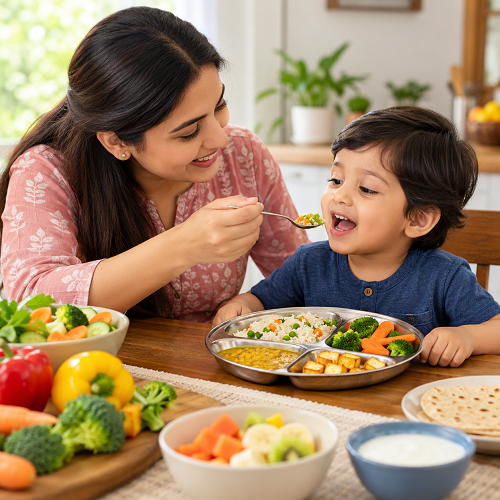
A toddler who eats dal and rice happily but refuses cooked vegetables may need time to explore different foods. A child who rejects soft foods may prefer crisp textures. These preferences can affect how parents plan meals.
Parents should also look at the bigger picture. A child who eats a limited range of foods but grows steadily may need a different approach from a child who struggles to chew, experiences pain during meals, or is not gaining weight. Persistent feeding difficulties deserve medical assessment.
Practical Nutrition Tips for Picky Eaters
Offer New Foods Alongside Familiar Meals
Children often feel more comfortable when a new food appears beside something they already enjoy. Serve a small portion of the new food with a familiar meal. For example, offer a little cooked carrot alongside dal and rice. You can also serve a small piece of paneer with roti if your child already likes these foods.
Avoid replacing the entire meal with unfamiliar dishes. Familiar foods can make the experience less overwhelming. Let your child decide what and how much to eat from the foods offered, within a safe and balanced meal routine.
Introduce Rejected Foods Again Without Pressure
A child may reject a food several times before accepting it. One refusal does not always mean the child dislikes that food permanently. Keep offering suitable foods on different occasions without forcing a taste or demanding an empty plate.
Try changing the preparation method. A child who refuses boiled carrots may accept carrots mixed into a familiar dish. Another child may prefer vegetables served separately. The aim is to encourage exploration, not to hide every rejected ingredient in other foods.
Start With Small Portions
Large portions can feel overwhelming to a child with a small appetite. Begin with a spoonful of a new food or a small piece of fruit. Offer more when your child shows interest.
Small portions also reduce food waste and make new foods easier to explore. Avoid comparing your child’s plate with another child’s plate. Appetite and food preferences vary between children.
Build a Balanced Indian Meal
Healthy eating does not require expensive ingredients or complicated recipes. Everyday Indian foods can provide a useful mix of nutrients when planned with variety.
- Protein: Offer dal, beans, chana, paneer, eggs, or other suitable protein-rich foods.
- Calcium: Include milk, curd, paneer, or appropriate alternatives.
- Iron: Include lentils, beans, and iron-fortified foods where available. Ask a pediatrician about suspected deficiency rather than starting supplements on your own.
- Fruits and vegetables: Offer seasonal options such as banana, papaya, carrots, pumpkin, and other locally available produce.
- Energy foods: Include suitable portions of rice, roti, oats, potatoes, or other staple foods.
These Nutrition Tips for Picky Eaters work best when parents consider the child’s age, allergies, chewing ability, and overall diet. No single food provides every nutrient a growing child needs.
For more guidance on age-appropriate meals, read our guide to infant and child nutrition in Roorkee.
Maintain Regular Meal and Snack Times
Children may refuse meals when they snack frequently throughout the day. Offer meals and planned snacks at reasonably consistent times. Allow enough time between eating occasions so your child can develop an appetite.
Avoid giving milk, juice, or other drinks so frequently that they reduce interest in food. Water is a suitable drink between meals for most children. The amount of milk a child needs depends on age and diet, so seek age-specific advice when needed.
Keep mealtimes relaxed. Turn off screens and sit together whenever possible. Parents can decide what food to offer and when to serve it. Children can learn to recognise their own hunger and fullness cues.
Let Your Child Participate in Food Preparation
Children may show more interest in foods when they help prepare them. Ask your child to wash a carrot, choose a fruit, arrange soft fruit pieces on a plate, or mix ingredients with supervision.
Offer simple choices instead of asking open-ended questions. For example, ask whether your child would prefer banana or papaya with breakfast. Both options can be nutritious, and the child gets a sense of involvement.
Keep age and safety in mind. Young children need supervision around knives, hot utensils, and small foods that may cause choking.
Make Healthy Foods Appealing Without Pressure
Presentation can make a meal more inviting, but it does not need to be elaborate. Cut suitable foods into manageable shapes, serve different colours, or arrange familiar foods separately on the plate.
Some children prefer foods that do not touch each other. Others like soft textures or familiar combinations. Observe your child’s preferences and make reasonable adjustments without preparing an entirely different meal after every refusal.
Parents can also demonstrate healthy eating by enjoying a variety of foods themselves. Children learn by watching family members. Praise curiosity and participation rather than rewarding every bite with sweets.
Sample Indian Meal Ideas for Picky Eaters
Planning meals becomes easier when parents have several simple options ready. The following ideas can help introduce variety. They are examples, not a fixed diet plan. Adjust the texture, portion size, and ingredients to your child’s age and needs.
| Meal | Food ideas | Practical approach |
|---|---|---|
| Breakfast | Idli with sambar, vegetable poha, or besan chilla | Start with a familiar preparation and offer a small portion of an additional food. |
| Lunch | Dal and rice, roti with paneer, or soft khichdi | Include a suitable protein source and offer a vegetable alongside the main meal. |
| Snack | Banana, papaya, curd, or a suitable homemade snack | Offer a planned snack instead of frequent grazing throughout the day. |
| Dinner | Vegetable dalia, soft roti with dal, or rice with beans | Keep the meal familiar while gradually introducing different ingredients. |
Serve foods in age-appropriate textures. Whole nuts, hard raw vegetable pieces, and other choking hazards are unsuitable for young children. Avoid foods that trigger known allergies. A pediatrician or qualified dietitian can help families plan meals when food choices are very restricted.
Common Feeding Mistakes Parents Should Avoid
Well-meaning parents sometimes use methods that increase mealtime tension. A child may become more resistant when eating turns into a daily struggle.
- Forcing children to finish their plates: This can make meals stressful and interfere with recognising fullness.
- Using sweets as rewards: Avoid making dessert the prize for eating vegetables. Keep food neutral rather than attaching pressure to specific items.
- Offering replacement snacks immediately: Repeatedly replacing a refused meal with a preferred snack may make a balanced routine harder to maintain.
- Comparing children: Siblings and classmates can have different appetites, growth patterns, and food preferences.
- Ignoring persistent feeding difficulties: A very limited diet, pain while eating, or difficulty chewing should not be dismissed as ordinary picky eating.
Consistency matters more than achieving a perfect meal every day. Continue offering balanced options and keep the atmosphere calm. Progress may be gradual, so focus on the child’s overall eating pattern rather than one difficult meal.
When Should You Consult a Pediatrician?
Picky eating needs closer attention when it affects growth, nutrition, or the child’s ability to eat safely. Speak with a pediatrician if your child is losing weight, is not gaining weight as expected, regularly skips most foods, or has persistent digestive discomfort.
Other warning signs include frequent coughing or choking during meals, difficulty swallowing, pain when eating, or a diet so restricted that important food groups are missing. Developmental or sensory difficulties can also affect feeding and may require individual assessment.
A pediatrician can review the child’s growth chart, eating history, symptoms, and dietary pattern. The assessment may help identify nutritional concerns or underlying medical problems. Do not start iron supplements, appetite stimulants, or restrictive diets without appropriate professional advice.
Parents concerned about slow growth can read more about causes of poor weight gain in children. Regular child health checkups in Roorkee can also help monitor growth and development.
Child Nutrition Guidance in Roorkee
Dr. Tanveer Ahmad is a pediatrician practising in Roorkee since 2018 at Dr Hera Skin Hair & Children Hospital. His clinical practice includes newborn care, vaccination, routine health checkups, growth and development monitoring, nutrition counselling, and the assessment and treatment of common childhood illnesses.
For families dealing with persistent picky eating, nutrition counselling can help identify practical changes suited to the child’s age, food preferences, and growth needs. The focus should be on understanding the child’s eating pattern rather than forcing food or following a one-size-fits-all diet.
Dr. Tanveer Ahmad – Pediatrician in Roorkee Dr Hera Skin Hair & Children Hospital Malviya Chowk, Near Bank of India Roorkee, Uttarakhand – 247667, India Phone: +91 9548732883
For more information about the doctor, visit the doctor’s profile. Parents can also explore parent counselling for child nutrition, behaviour, and development or contact the hospital to discuss their child’s needs.
Final Thoughts
Helping a picky eater develop healthy habits takes patience, structure, and flexibility. Offer balanced Indian meals, introduce unfamiliar foods gradually, and avoid turning mealtimes into a battle. Monitor your child’s overall growth and seek professional guidance when feeding difficulties persist.
The most effective Nutrition Tips for Picky Eaters are those that support adequate nutrition while helping children build a comfortable, positive relationship with food.